VA Rating for Heart Disease: What Veterans Need to Know About Qualifying for Compensation
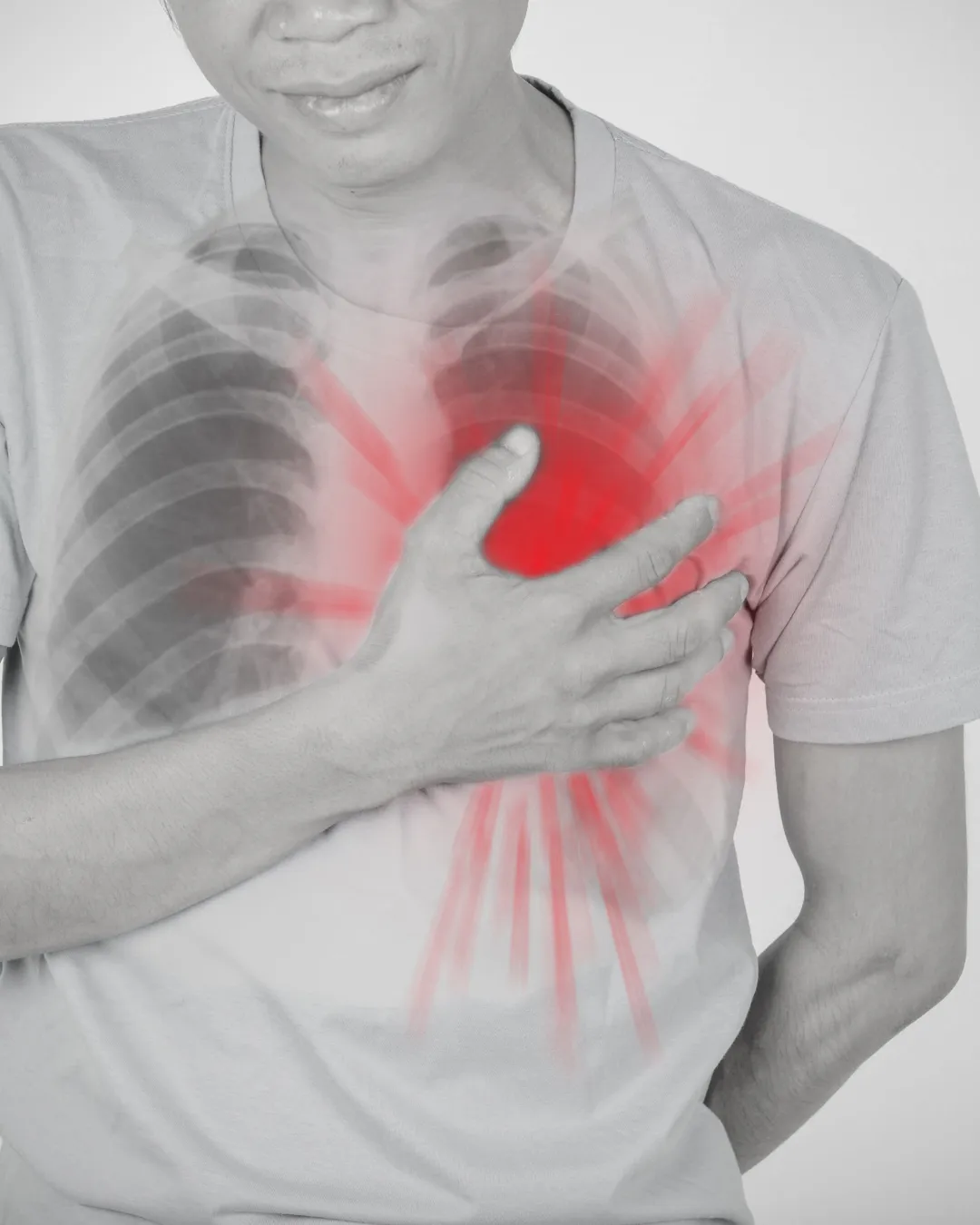
Heart disease can change everything.
For some veterans, it starts with shortness of breath when walking across the room.
For others, it’s chest pain, fatigue, dizziness, or a heart condition that slowly gets worse long after military service ends.
And here’s what many veterans don’t realize:
Heart disease can qualify for VA disability compensation — and in serious cases, the rating can go all the way up to 100%.
The source article explains that the VA commonly rates heart disease at 10%, 30%, 60%, or 100%, with most ratings based heavily on METs (metabolic equivalents) and how much physical activity triggers symptoms.
What Is Considered Heart Disease for VA Disability?
“Heart disease” is a broad term. For VA purposes, it can include several different cardiovascular conditions, depending on the diagnosis and how severe the symptoms are.
Some common examples include:
Coronary artery disease (CAD) / arteriosclerotic heart disease
Myocardial infarction (heart attack) residuals
Valvular heart disease
Hypertensive heart disease
Heart conditions after bypass surgery or valve replacement
Certain arrhythmias or pacemaker-related conditions
Under 38 C.F.R. § 4.104, the VA uses multiple diagnostic codes for diseases of the heart, including DC 7000 (valvular heart disease), DC 7005 (coronary artery disease), DC 7006 (myocardial infarction), DC 7007 (hypertensive heart disease), DC 7016 (heart valve replacement), and DC 7017 (coronary bypass surgery).
How the VA Rates Heart Disease
Most heart conditions are rated under the VA’s General Rating Formula for Diseases of the Heart.
In many cases, the VA looks at:
METs level (how much activity your heart can tolerate before symptoms start)
Heart failure symptoms
Left ventricular ejection fraction (LVEF)
Evidence of cardiac hypertrophy or dilation
Whether continuous medication is required
Whether the veteran had surgery, a heart attack, or other qualifying cardiac events
The official VA cardiovascular rating schedule states the general rating formula is based on how much workload (measured in METs) results in heart failure symptoms such as breathlessness, fatigue, angina, dizziness, arrhythmia, palpitations, or syncope.
Understanding METs (Why They Matter So Much)
METs stands for metabolic equivalents.
In simple terms, METs measure how much energy your body — and your heart — uses during physical activity.
The lower the METs level at which symptoms begin, the more severe the VA generally considers the heart condition.
The VA specifically defines 1 MET as the energy cost of standing quietly, and if formal exercise testing can’t be done, a medical examiner may estimate METs based on activities that trigger symptoms.
This is why veterans often hear questions like:
Can you walk up stairs without symptoms?
Do you get short of breath carrying groceries?
Does light activity trigger fatigue, chest pain, or dizziness?
Those details matter.
Heart Disease VA Rating Percentages
10% VA Rating
A 10% rating may apply when:
Workload of 7.1–10.0 METs results in heart failure symptoms, or
Continuous medication is required for control
This is the lowest common compensable level for many heart conditions under the general formula.
30% VA Rating
A 30% rating may apply when:
Workload of 5.1–7.0 METs results in heart failure symptoms, or
There is evidence of cardiac hypertrophy or dilation confirmed by echocardiogram or equivalent imaging
This level often reflects a condition that causes real limitations but is not yet in the most severe range.
60% VA Rating
A 60% rating may apply when:
Workload of 3.1–5.0 METs results in heart failure symptoms
For certain diagnostic codes (such as older specific criteria for coronary artery disease or myocardial infarction), 60% can also involve more than one episode of acute congestive heart failure in the past year or left ventricular dysfunction with an ejection fraction of 30% to 50%. The current general formula emphasizes METs-based symptoms, while older code-specific presentations and summaries still often reference CHF episodes and LVEF ranges.
100% VA Rating
A 100% rating may apply when:
Workload of 3.0 METs or less results in heart failure symptoms
In some specific conditions, the VA can also assign temporary or event-based 100% ratings after serious cardiac events or procedures, such as a heart attack, bypass surgery, or valve replacement.
Can Heart Disease Be Service-Connected?
Yes.
A veteran may qualify for service connection for heart disease in several ways:
1. Direct Service Connection
If the heart condition started during service or is linked to an in-service event, exposure, illness, or injury.
2. Secondary Service Connection
Heart disease may also be linked secondarily in some cases, depending on medical evidence and the relationship between conditions.
Potential examples may include:
Longstanding service-connected conditions that worsen cardiovascular health
Complications related to other service-connected disabilities
Medication side effects (in certain fact-specific cases)
3. Presumptive or Exposure-Related Theories
Some veterans may qualify under exposure-related rules depending on the condition and era of service (for example, certain ischemic heart disease claims tied to specific presumptive exposure frameworks). This is highly fact-specific and depends on the veteran’s service history and diagnosis. The source article broadly notes that service-related causes and exposure pathways can be important when building a heart disease claim.
What Evidence Helps a Heart Disease VA Claim?
Strong heart disease claims are usually built on medical evidence + functional limitations.
Helpful evidence can include:
Cardiology records
Echocardiogram results
Stress test results
METs findings
Left ventricular ejection fraction (LVEF)
Hospitalization records
Heart catheterization or stent records
Surgical records (bypass, valve replacement, pacemaker, etc.)
Medication lists
DBQ or nexus letter
Lay statements describing symptoms and daily limitations
The key is not just proving you have heart disease — it’s proving how it limits your functioning.
Symptoms Veterans Should Document
Veterans should consistently report and document symptoms such as:
Shortness of breath
Fatigue with light activity
Chest pain or angina
Dizziness
Fainting / near-fainting
Palpitations
Reduced stamina
Swelling
Trouble walking distances
Inability to do routine physical tasks
The VA’s own regulation lists heart failure symptoms broadly and includes breathlessness, fatigue, angina, dizziness, arrhythmia, palpitations, and syncope.
Heart disease is not “just getting older.”
For many veterans, it is a serious medical condition connected to service, exposures, stress, or long-term health consequences that deserve proper recognition.
And here’s the big takeaway:
The VA often rates heart disease based on METs, symptom severity, and how much your condition limits everyday activity.
That means a veteran who becomes short of breath with light exertion, struggles with fatigue, or has a history of cardiac surgery may be entitled to far more compensation than they realize.