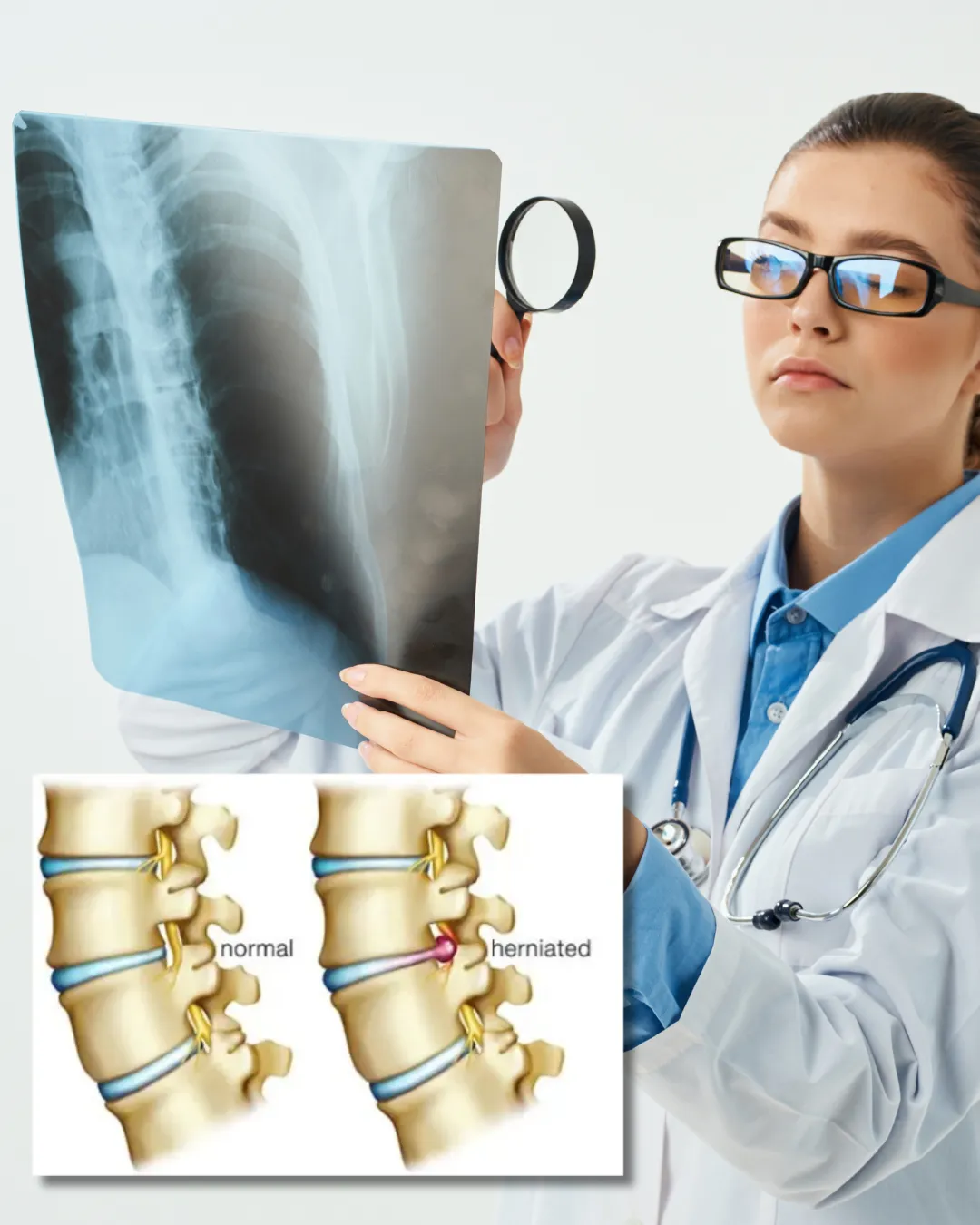
VA Disability Rating for Radiculopathy Explained: How Veterans Can Qualify for Higher Compensation
For many veterans, the pain doesn’t stop in the back or neck.
It shoots down the arm.
It burns through the leg.
It causes numbness, tingling, weakness, and sometimes even loss of function that makes daily life harder than most people realize.
That condition is often called radiculopathy, and for veterans, it can be a serious and compensable VA disability.
We want veterans to understand something important:
Radiculopathy can be rated separately from your back or neck condition, which means it may increase your overall VA disability compensation. The referenced guide explains that radiculopathy is commonly claimed as a secondary condition to service-connected spine issues and that VA ratings can range from 0% to 90% depending on the nerve involved and the severity of symptoms.
What Is Radiculopathy for VA Disability Purposes?
Radiculopathy happens when a nerve root in the spine becomes compressed, irritated, or damaged.
This can happen because of:
Herniated discs
Degenerative disc disease
Spinal stenosis
Spondylolisthesis
Cervical or lumbar spine injuries
Chronic back or neck strain
When that nerve irritation happens, the symptoms often “radiate” away from the spine into the arms or legs.
Common symptoms include:
Burning pain
Sharp shooting pain
Numbness
Tingling (“pins and needles”)
Muscle weakness
Reduced reflexes
Trouble gripping, walking, standing, or lifting
The VA generally evaluates radiculopathy under 38 C.F.R. § 4.124a as a peripheral nerve condition, based on the specific nerve affected and the severity of incomplete or complete paralysis.
Is Radiculopathy a VA Disability?
Yes.
Radiculopathy is a recognized VA disability, and it is often granted in one of two ways:
1. Direct Service Connection
If the nerve condition began during service or was caused by an in-service injury.
2. Secondary Service Connection
This is one of the most common paths.
The source guide explains that radiculopathy is frequently claimed as a secondary VA disability, especially when it develops from a service-connected back condition like a herniated disc, spinal stenosis, or other spinal problems.
That means a veteran may already have:
A service-connected lumbar strain
Degenerative disc disease
Cervical spine condition
Thoracolumbar injury
…and then later develop:
Sciatica
Lower extremity numbness
Arm weakness from cervical nerve compression
Bilateral nerve pain into the limbs
If that happens, the VA may assign separate ratings for the nerve damage in addition to the spine rating.
How the VA Rates Radiculopathy
The VA does not rate radiculopathy under one single percentage for everyone.
Instead, the VA usually looks at:
Which nerve is affected
Whether it’s upper or lower extremity
Whether it’s the dominant or non-dominant side (for upper extremities)
Whether symptoms are mild, moderate, moderately severe, severe, or complete paralysis
The radiculopathy guide explains that ratings depend on the frequency, severity, and duration of symptoms, as well as whether the condition is evaluated as paralysis, neuritis, or neuralgia under the appropriate diagnostic code.
Common VA Diagnostic Codes for Radiculopathy
Depending on the location and nerve involved, the VA may use different diagnostic codes.
Lower Extremity / Sciatic Nerve (Lumbar Radiculopathy / Sciatica)
A common code is:
Diagnostic Code 8520 – Sciatic nerve paralysis
Related nerve codes may also include 8620 (neuritis) and 8720 (neuralgia)
The source article notes that sciatica (a form of lumbar radiculopathy) is commonly rated under DC 8520 and may potentially reach 80% in the most severe cases.
Under the sciatic nerve framework, the VA commonly uses:
10% – Mild incomplete paralysis
20% – Moderate incomplete paralysis
40% – Moderately severe incomplete paralysis
60% – Severe incomplete paralysis with marked muscular atrophy
80% – Complete paralysis (such as foot drop / no active movement below the knee)
These percentages are consistent with summaries of DC 8520 and related 38 CFR explanations.
Upper Extremity / Cervical Radiculopathy
For cervical radiculopathy affecting the arms or hands, common codes may include:
8510 / 8610 / 8710 – Upper radicular group
Other codes may apply depending on the exact nerve group involved
The source guide states that upper and middle radicular group conditions may be rated under 8510, 8610, and 8710, while cervical radiculopathy can be evaluated based on the nerve distribution into the upper extremities.
For the upper radicular group, the source article summarizes that ratings may look like:
20% – Mild incomplete paralysis (major or minor side)
40% (major) / 30% (minor) – Moderate incomplete paralysis
50% (major) / 40% (minor) – Severe incomplete paralysis
Because the dominant hand/arm matters, the rating may be higher if the major extremity is affected.
What Do “Mild,” “Moderate,” and “Severe” Mean?
This is one of the most confusing parts of radiculopathy claims.
The VA often classifies nerve symptoms as:
Mild
Moderate
Moderately severe (mainly for the sciatic nerve)
Severe
Complete paralysis
A helpful community explanation citing the VA’s own adjudication guidance notes:
Mild often means mostly sensory symptoms (tingling, numbness, mild pain)
Moderate can still be sensory-only in significant cases, but may also include some motor or reflex changes
Moderately severe is generally used only for the sciatic nerve
Severe usually involves major functional loss and may include atrophy or significant weakness
This matters because many veterans assume that severe pain automatically means a severe rating, but the VA often looks for objective evidence, such as:
Muscle weakness
Reduced reflexes
Abnormal sensory exam
Atrophy
Gait changes
Loss of grip strength
Foot drop or significant loss of use
Can You Get Separate Ratings for Both Sides?
Yes, often.
If radiculopathy affects:
Both legs (left and right lower extremities), or
Both arms (left and right upper extremities),
…the VA may assign separate ratings for each extremity.
That means a veteran could have:
20% left lower extremity sciatic nerve radiculopathy
20% right lower extremity sciatic nerve radiculopathy
…and those ratings may combine with the spine condition and potentially be affected by the bilateral factor under VA math. Multiple sources summarizing VA practice note that bilateral nerve involvement is typically rated per side, not as one single combined nerve rating.
How to Prove a Radiculopathy VA Claim
To build a strong claim, veterans generally need three things:
1. A Current Diagnosis
Helpful evidence can include:
MRI results
EMG / nerve conduction studies
Neurology notes
Orthopedic or spine specialist notes
Pain management records
VA or private treatment records
2. A Service-Connected Primary Condition (for Secondary Claims)
This is common in radiculopathy cases.
Examples:
Lumbar strain
Degenerative disc disease
Herniated disc
Cervical spine arthritis
Spinal stenosis
3. A Medical Link (Nexus)
The medical evidence should show that the nerve symptoms are caused by or aggravated by the service-connected spine condition.
Veteran community discussions also commonly note that if you are already service-connected for the back, radiculopathy secondary to that back condition is often a more straightforward relationship, but strong diagnostic evidence (MRI/EMG) can still help support the severity level.
What Evidence Helps Increase a Radiculopathy Rating?
If you’re already service connected and seeking a higher rating, the most important issue is usually severity.
Helpful evidence may include:
✔ MRI showing nerve root compression
✔ EMG / nerve conduction testing
✔ Documented weakness
✔ Reduced reflexes
✔ Sensory deficits
✔ Muscle atrophy
✔ Difficulty walking or standing
✔ Falls or balance issues
✔ Grip weakness or dropping objects
✔ Flare-ups affecting work or daily life
✔ Lay statements from spouse, family, or coworkers
The stronger your objective findings, the easier it may be to support a rating above “mild.”
Can Radiculopathy Lead to Higher Combined Compensation?
Yes, and this is why many veterans overlook it.
A veteran might have:
20% for the back
20% for left leg radiculopathy
20% for right leg radiculopathy
That can raise the combined rating much more than the back condition alone.
In severe cases, the source guide also notes that veterans may potentially qualify for Special Monthly Compensation (SMC) if radiculopathy causes loss of use of a hand or foot due to complete paralysis or major functional impairment.
Radiculopathy is more than “just nerve pain.”
For many veterans, it means:
Burning pain that never fully stops
Numbness that makes walking unsafe
Weakness that affects work
Loss of grip, balance, or mobility
A spine condition that keeps spreading into everyday life
And here’s what matters most:
The VA can rate radiculopathy separately from your back or neck condition.
That means if your service-connected spine condition is causing symptoms down your arms or legs, you may be entitled to additional compensation, especially if the nerve damage affects both sides or causes more than just mild sensory symptoms.