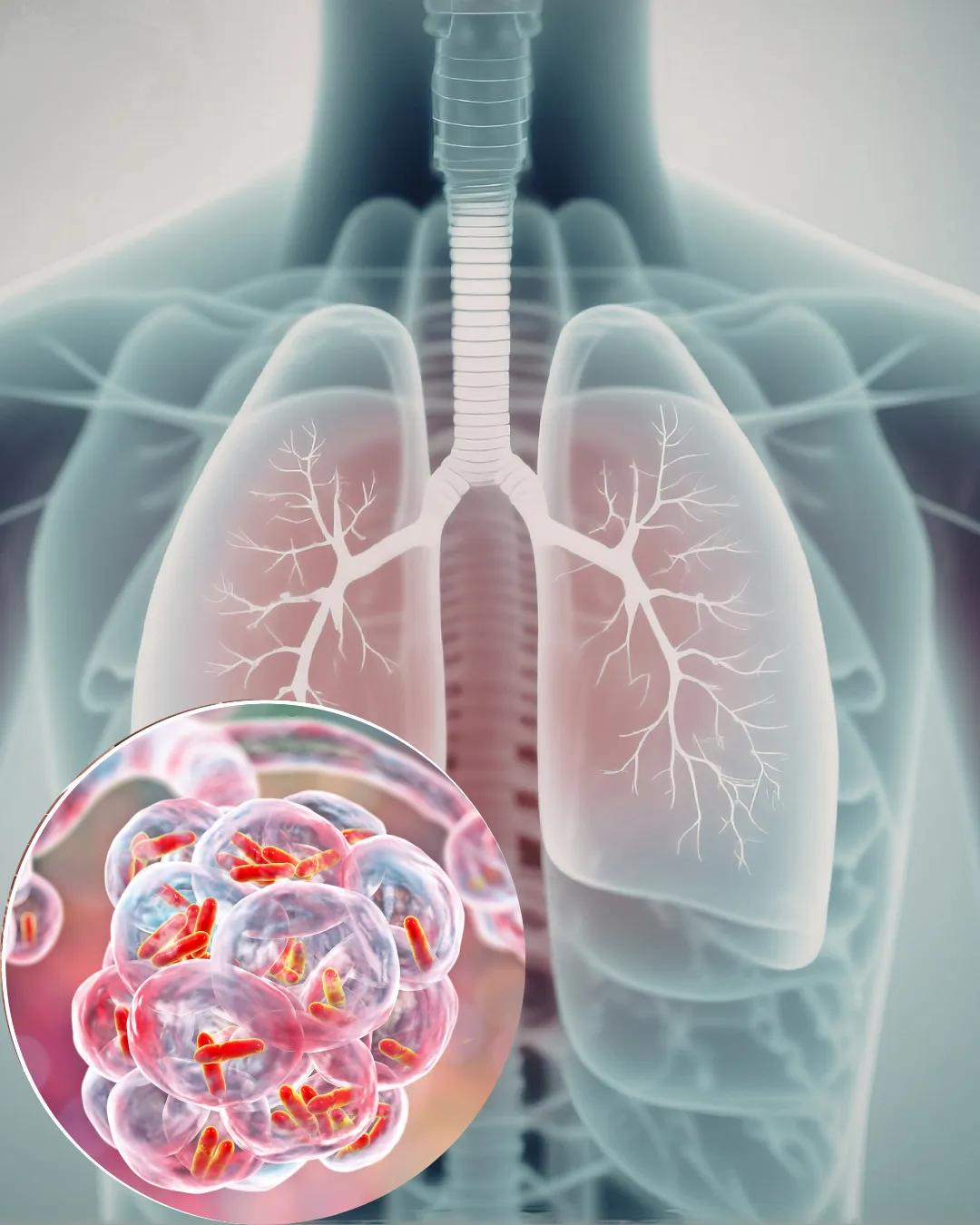
Pulmonary Function Test (PFT) VA Disability Guide: What Veterans Need to Know
If you’re filing a VA disability claim for a respiratory condition, there’s a good chance the VA will rely heavily on a Pulmonary Function Test (PFT) to determine your disability rating.
This guide breaks down what a pulmonary function test is, how the VA uses it, and what veterans should know before a respiratory C&P exam.
What Is a Pulmonary Function Test (PFT)?
A Pulmonary Function Test (PFT) is a non-invasive breathing test used to measure how well your lungs work. It helps doctors — and the VA — understand:
How much air you can inhale and exhale
How quickly you can move air out of your lungs
How effectively oxygen moves from your lungs into your bloodstream
PFTs are commonly used to evaluate conditions such as:
Asthma
COPD
Pulmonary fibrosis
Restrictive lung disease
Other chronic respiratory conditions
For many veterans, these conditions may be tied to service-related exposures like burn pits, airborne hazards, or asbestos exposure.
Why PFT Results Matter in a VA Disability Claim
The VA uses specific pulmonary function test values to assign respiratory disability ratings, often ranging from 0% to 100%, depending on the severity of your breathing impairment.
The main numbers the VA often looks at include:
1. FEV-1 (Forced Expiratory Volume in 1 Second)
This measures how much air you can forcefully exhale in one second.
2. FEV-1/FVC Ratio
This compares how much air you blow out in one second to your total forced exhalation. It helps identify obstructive lung conditions like asthma and COPD.
3. DLCO (SB)
This measures how well oxygen transfers from your lungs into your bloodstream. It’s especially important in some interstitial or restrictive lung disease claims.
The VA Uses Percent-Predicted Values — Not Raw Numbers
One of the biggest points of confusion for veterans is this:
The VA usually does not rate your respiratory condition based on the raw number alone.
Instead, the VA typically uses percent-predicted values, which compare your results to what would be expected for a healthy person of your age, sex, height, and build.
That means two veterans can have different raw values but still receive similar ratings depending on how their results compare to predicted normal function.
Does the VA Use Pre-Bronchodilator or Post-Bronchodilator Results?
In many respiratory claims, the VA generally uses post-bronchodilator results when assigning a disability rating. That means you may perform the breathing test, use an inhaler or bronchodilator, and then repeat the test. The post-medication results are often the ones used for rating purposes.
This matters because some veterans see improved results after medication — which can affect the final rating.
How the VA Rates Respiratory Conditions Using PFTs
The exact rating depends on the respiratory diagnosis and the applicable diagnostic code under the VA rating schedule.
For example, in COPD (Diagnostic Code 6604), the VA may assign:
10% for mild impairment
30% for moderate impairment
60% for more severe limitation
100% for very severe respiratory dysfunction, oxygen therapy, pulmonary hypertension, respiratory failure, or extremely reduced test values
For restrictive lung disease and interstitial lung disease, the VA often looks at values like:
FVC
DLCO
Maximum exercise capacity
Whether the veteran requires outpatient oxygen therapy
In short:
The worse the measurable impairment on valid PFTs, the higher the potential rating.
What Does It Mean to “Fail” a PFT for VA Disability?
A lot of veterans hear phrases like:
“You failed the test”
“Your numbers were bad”
“The test was inadequate”
But in VA claims, “failing” a PFT doesn’t mean you did something wrong.
It usually means one of two things:
1. Your results show abnormal lung function
If your breathing numbers are significantly reduced, that may actually support a higher VA rating if tied to a service-connected condition.
2. The test wasn’t valid or repeatable
Sometimes a PFT can be considered inadequate if the effort wasn’t consistent, the seal wasn’t good, or the results couldn’t be reproduced reliably. In that case, the VA may order a retest or may not rely on the results.
This is why it’s so important to give your best honest effort during the exam — not to exaggerate, but also not to minimize what you’re experiencing.
What Respiratory Conditions Commonly Require a PFT?
The VA often uses PFTs for claims involving:
Asthma
COPD
Pulmonary fibrosis
Restrictive lung disease
Interstitial lung disease
Some burn pit-related respiratory conditions
In some cases, the VA may not require a PFT if there is already enough medical evidence, or if another factor like oxygen therapy or severe respiratory complications clearly supports the rating.
How to Prepare for a VA Pulmonary Function Test (C&P Exam)
If the VA schedules you for a respiratory C&P exam with a PFT, preparation matters.
Here are simple best practices:
✔ Get good rest the night before
✔ Follow any medication instructions given by your provider
✔ Be honest and give full, consistent effort
✔ Don’t try to “game” the test
✔ If you already have outside PFT results, upload them as medical evidence to VA.gov
A strong outside PFT report with pre- and post-bronchodilator values can sometimes help fill gaps in the evidence, especially when paired with a diagnosis and treatment history.
Evidence That Can Strengthen a Respiratory VA Claim
PFTs are critical, but they’re not the only evidence that matters.
To build a stronger claim, veterans should also gather:
A current respiratory diagnosis
Service records showing exposures or in-service symptoms
Pulmonology notes or treatment records
Imaging (X-rays, CT scans, etc.) when relevant
A nexus opinion linking the condition to service (unless presumptive under the PACT Act or another rule)
Lay statements explaining how shortness of breath, coughing, fatigue, or flare-ups affect daily life
If you’re filing a VA claim for a respiratory condition, your Pulmonary Function Test (PFT) may be one of the most important pieces of evidence in your entire case.
The VA uses PFT results to measure how serious your condition is — and those numbers can directly impact whether you receive 10%, 30%, 60%, or even 100% disability compensation, depending on the condition and severity.